Rehabilitation Therapy for Chronic Conditions: What Patients Should Know
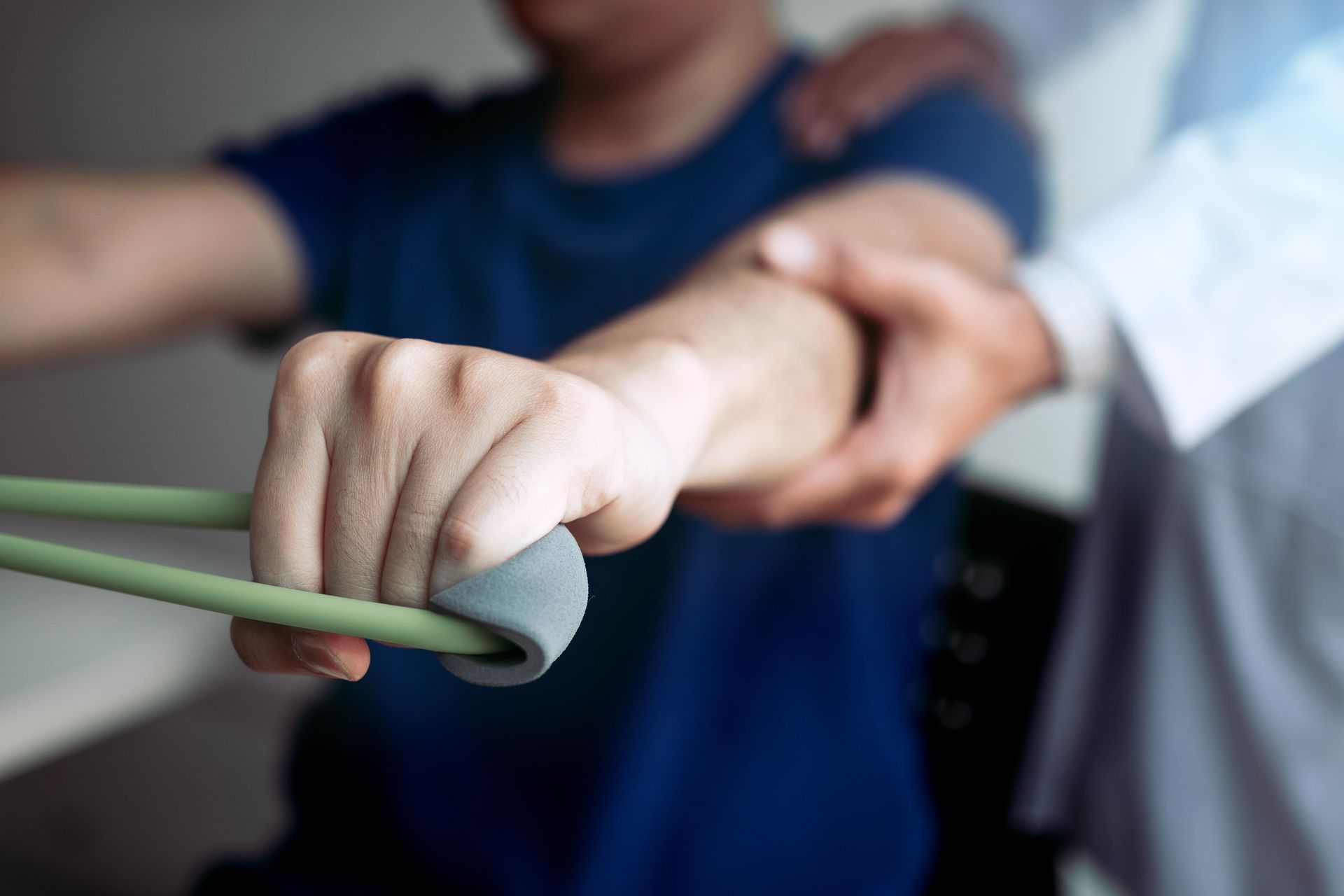
Living with a chronic condition can make daily life genuinely difficult, and rehabilitation therapy offers a structured path toward better function, reduced pain, and greater independence. This article covers what chronic-condition patients should understand about the rehabilitation process, from what to expect in early sessions to how consistency shapes long-term outcomes.
Unlike recovery from a single injury, managing a chronic condition is often a longer, more layered process. Understanding how the journey works can help patients feel more prepared and confident before their first appointment.
What Chronic Conditions Can Rehabilitation Therapy Address?
Rehabilitation therapy can support a wide range of long-term health conditions. Common presentations in Penrith, NSW, and the surrounding Greater Western Sydney region include osteoarthritis, chronic lower back pain, fibromyalgia, neurological conditions, and post-surgical complications that have lingered beyond expected recovery timeframes. Penrith's active population, with many residents involved in sports, trades, and manual work, means chronic overuse conditions affecting the knees, shoulders, and lumbar spine are frequently managed through ongoing rehabilitation programmes.
Conditions that may benefit from structured rehabilitation include:
- Osteoarthritis and inflammatory joint conditions.
- Chronic lower back and neck pain.
- Fibromyalgia and widespread musculoskeletal pain.
- Neurological conditions such as stroke-related movement impairment.
- Long-term workplace or sports injuries that have not fully resolved.
Rehabilitation is not limited to post-operative patients or athletes. Anyone experiencing persistent physical limitations may benefit from a structured programme.
What Happens During a Rehabilitation Therapy Assessment?
The first session typically involves a comprehensive physical assessment. A physiotherapist will examine posture, movement patterns, muscle strength, and joint mobility, and ask about your daily routine, work demands, and the activities you most want to return to. This shapes a treatment plan that is practical and specific to your life.
From that assessment, a personalised plan is developed, potentially including manual therapy, progressive exercises, strength and conditioning work, and modalities such as electrical stimulation or therapeutic ultrasound. Plans are adjusted regularly as your strength and tolerance improve.
How Long Does Rehabilitation for a Chronic Condition Usually Take?
Rehabilitation timelines vary considerably. Some patients notice meaningful improvements within a few sessions; others managing complex or long-standing conditions may work with their physiotherapist over several months. Consistency between sessions is one of the strongest factors influencing outcomes, and home exercises prescribed by your physiotherapist are an important part of the process, not an optional extra.
Is Rehabilitation Therapy Different From General Physiotherapy?
Rehabilitation therapy and general physiotherapy overlap considerably, but rehabilitation is typically more structured and goal-driven across a defined recovery arc. For chronic conditions, this often involves staged progressions, regular reassessment, and a focus on functional independence rather than simply pain relief.
Key Principles Patients Should Know Before Starting
Progress is gradual by design. Chronic conditions rarely respond to aggressive, short-term approaches. A well-structured programme builds capacity steadily to avoid setbacks.
Pain during exercise does not always mean harm. Your physiotherapist will help you distinguish between discomfort that signals productive loading and pain that warrants caution, a distinction that can reduce anxiety and support better engagement.
Active participation matters. Patients who attend sessions consistently, complete home exercises, and communicate clearly with their therapist tend to achieve better results.
Lifestyle factors play a role. Sleep quality, stress levels, activity habits, and hydration can all influence how the body responds to rehabilitation. Your physiotherapist may address some of these alongside hands-on treatment.
What Should I Wear and Bring to My First Appointment?
Wear comfortable, loose-fitting clothing that allows assessment of the affected area. Bring any relevant medical documents, a list of current medications if applicable, and your private health insurance card if you intend to claim on the day. Arriving a few minutes early allows time to complete intake paperwork without rushing.
Making the Most of Your Rehabilitation Programme
Approach rehabilitation as a long-term investment rather than a quick fix. Communicate openly with your therapist about what is and is not working. If an exercise feels wrong, say so. If your pain levels change significantly between sessions, report that too. Honest communication allows your therapist to adapt your plan and keep progress on track.
Set realistic short and medium-term goals with your physiotherapist. These might include walking a certain distance comfortably, returning to a favourite activity, or managing a full workday without significant pain. Clear markers help both you and your therapist track progress and stay motivated.
Start Your Recovery Journey With Expert Support
If you are managing a chronic condition and looking for structured, evidence-based support, Physiotherapy West is ready to help. The experienced team offers personalised rehabilitation programmes tailored to your condition, lifestyle, and goals. No referral is needed to get started.
Call (02) 4722 8227 to book your initial assessment, or visit the rehabilitation services page to learn more about available treatments. You can also contact the clinic online to ask questions or request an appointment at a time that suits you.